




The DHA is a joint, integrated Combat Support Agency that enables the Army, Navy, and Air Force medical services to provide a medically ready force and ready medical force to Combatant Commands in both peacetime and wartime. The DHA uses the principles of Ready Reliable Care to advance high reliability practices across the Military Health System (MHS) by improving our system operations, driving innovative solutions, and fostering a culture of safety.
Mission
The DHA supports our Nation by improving health and building readiness -- making extraordinary experiences ordinary and exceptional outcomes routine.
Vision
Unrelenting pursuit of excellence as we care for our joint force and those we are privileged to serve. Anytime, Anywhere — Always.
What We Do
The DHA’s global workforce of almost 130,000 civilians and military personnel is committed to medical excellence, health care improvement and ensuring military personnel are ready to perform combat operations and humanitarian missions at home and abroad.
At-a-Glance the DHA:
-
Manages military hospitals and clinics worldwide with an operating budget of approximately $16.9 billion in FY23.
- 45 hospitals/inpatient facilities (31 in the U.S.)
- 566 military ambulatory care and occupational health (466 in the U.S.)
- 117 dental clinics (94 in the U.S.)
- Manages the execution of the Unified Medical Budget (UMB). The UMB for FY23 is $55.8 billion, or approximately 7.2% of the overall Department of Defense (DOD) $773 billion budget.
- Manages the DOD health plan, TRICARE, totaling another $18.5 billion.
- Manages an $11 billion-a-year medical supply chain that supplies close to 560,000 medical devices to the Joint Force.
- Delivers agile and scalable combat support capabilities to the Combatant Commanders and Joint Force, while providing comprehensive care and military health benefit entitlements to eligible beneficiaries.
- Ten joint shared services, including the TRICARE health program; pharmacy operations; health information technology; medical logistics; facility management; research and development; education and training; public health; budget and resource management; and contracting.
First accordion description
Second accordion item description

Maintain a healthy donation schedule with the following waiting periods:
- Whole Blood- Donate every 56 days
- Platelets- Donate every 14 days
- Plasma- Donate every 28 days

2023 Stateside Rollout of MHS GENESIS Complete
On Oct. 1, 2023, DHA moved from 20 markets to nine Defense Health Networks supported by Defense Health Support Activities. This advancement also eliminates stand-alone military hospitals and clinics and will align every facility to a Defense Health Network. DHA is advancing the organization to streamline processes and stabilize our system, thereby enhancing employee satisfaction, building readiness, and improving our ability to provide health care anytime, anywhere - always
Read more

2023 New DHA Defense Health Networks
On Oct. 1, 2023, DHA moved from 20 markets to nine Defense Health Networks supported by Defense Health Support Activities. This advancement also eliminates stand-alone military hospitals and clinics and will align every facility to a Defense Health Network. DHA is advancing the organization to streamline processes and stabilize our system, thereby enhancing employee satisfaction, building readiness, and improving our ability to provide health care anytime, anywhere - always.
Read more
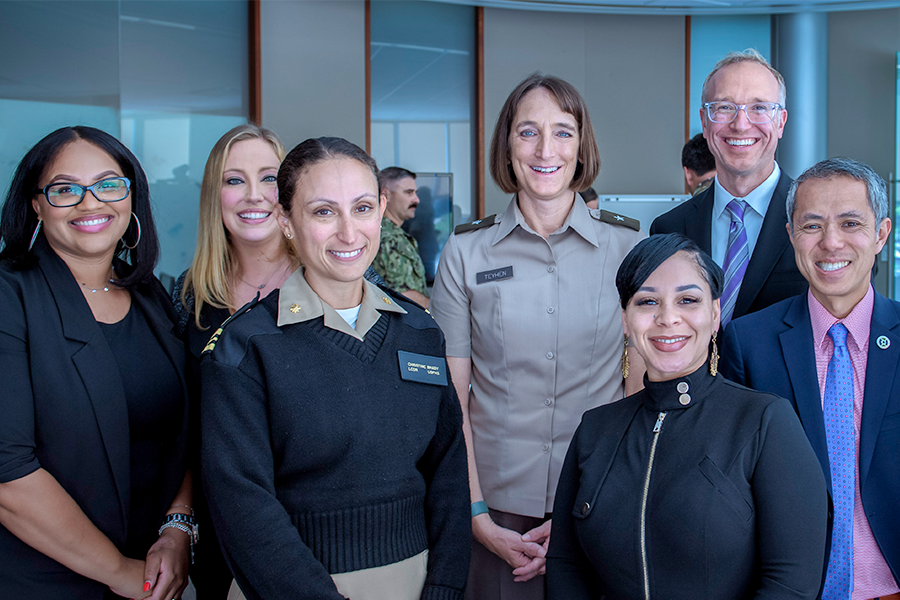
2023 4th DHA Director
On Jan. 3, 2023, U.S. Army Lt. Gen. (Dr.) Telita Crosland made history, becoming DHA's fourth director in its 10-year existence and serving as the first African American DHA director. Crosland joined the U.S. Army as a Medical Corps officer in 1993. She is a graduate of the U.S. Military Academy, the Uniformed Services University of Health Sciences, and the U.S. Army Command and General Staff College.
Read more
2022 DHA Health Care Market Structure Complete
During the COVID-19 pandemic, DHA emerged as a global health care leader. DHA led the military medical departments in establishing a vaccination program and policies and led the charge to implement the DOD’s deliberate and phased plan to distribute and administer initial COVID-19 vaccines. While the military health landscape changed dramatically during the pandemic, DHA’s most successful actions included.
Read more
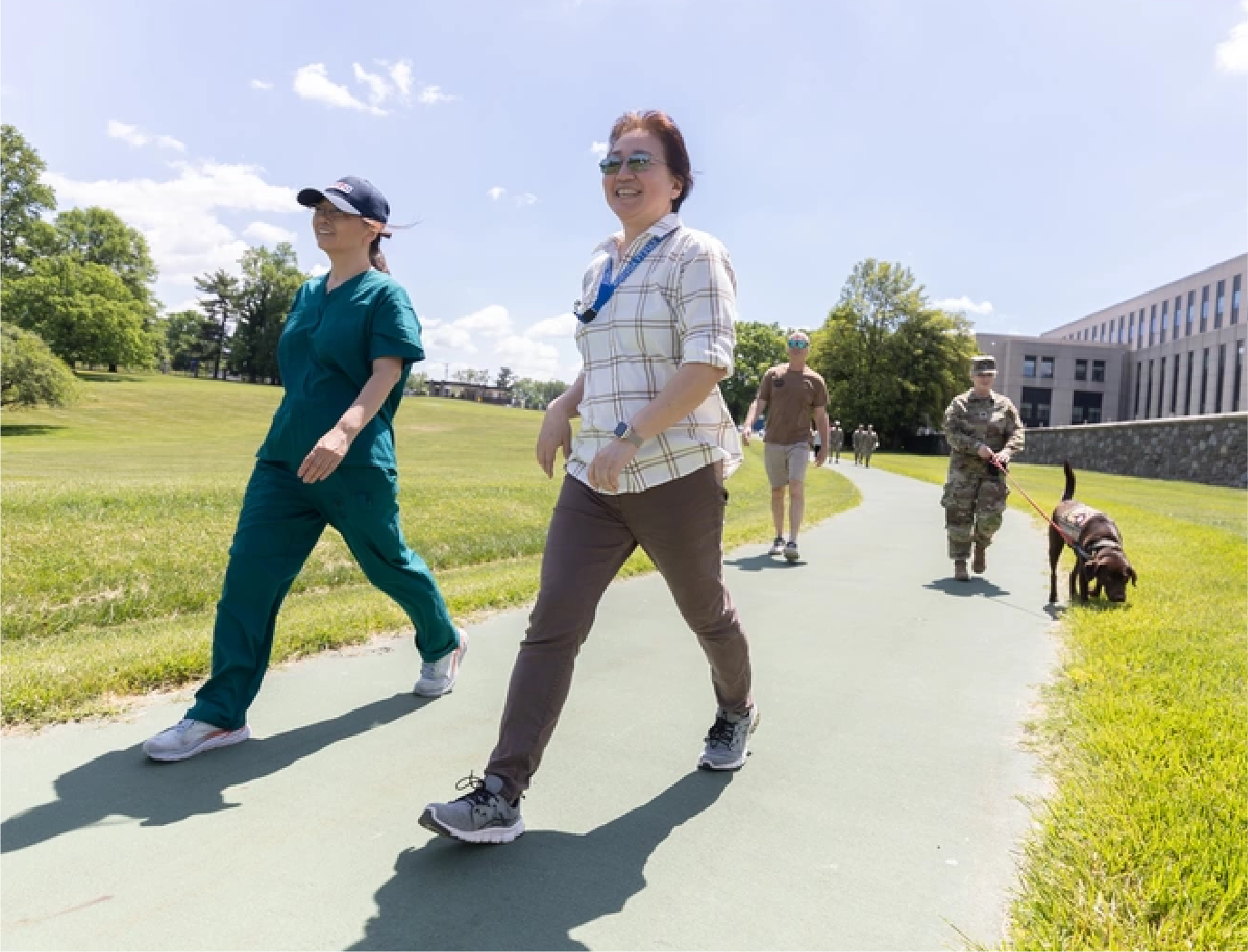
2022 Service Public Health Centers Move to DHA
In October 2022, the Army, Navy/Marine Corps, and Air Force moved public health centers and programs to the DHA. The Army Public Health Center became the Defense Centers for Public Health at Aberdeen, Maryland. The Navy/Marine Corps Public Health Center became the Defense Centers for Public Health at Portsmouth, Virginia. The Air Force public health programs that were previously at the US Air Force School of Aerospace Medicine became part of the Defense Centers for Public Health at Dayton, Ohio. The newly established DHA Public Health enterprise supports the Joint Force and the DOD across the globe by combining and integrating the efforts of the service components to enable a healthy ready force that includes our military families and other beneficiaries. DHA Public Health's goal is to ensure force health protection to establish common, quality, health practices across the DOD.
Read more

2020 1st Military Medical Markets Aligned
On Jan. 30, 2020, facilities in four regions within the United States became the first military medical markets aligned by geographic location. The markets included hospitals and clinics in the National Capital Region (Washington, D.C., southern Maryland, and northern Virginia), along with Jacksonville, Florida, the Mississippi coast (Biloxi, Gulfport, and Pascagoula), and Central North Carolina (Fayetteville). For more information about the transition of military hospitals and clinics and new markets to DHA, visit the Transition Timeline.
Read more

2020 DHA Migrates MTF Websites
In September 2020, DHA launched 74 new websites for U.S. Air Force hospitals and clinics. Each transitioned to the TRICARE domain to provide a standardized patient experience across MHS. On Dec. 20, 2020, DHA completed the migration of 140 military hospital and clinic websites to the TRICARE.mil domain, a key milestone in the transition of management and administration of the military hospital and clinic from the services to DHA. The three-year project modernized the web presence of military hospitals and clinics worldwide and provide a standardized experience for patients throughout MHS.
Read more

2019 3rd DHA Director
On Sept. 4, 2019, U.S. Army Lt. Gen. (Dr.) Ronald J. Place was named DHA’s third director. Place, board certified in both general surgery and colorectal surgery, was the author of over 40 peer reviewed articles and book chapters, and an assistant professor of surgery at the Uniformed Services University of Health Sciences.
Read more